
An enlarged prostate can gradually affect urination, sleep, comfort and everyday routines. While medicines may control symptoms for some people, others may require a different approach when problems continue or become more severe. Prostate artery embolisation is a minimally invasive procedure that may help reduce the effect of prostate enlargement on urine flow. Understanding the procedure, possible benefits, preparation and recovery can help patients discuss suitable treatment options with a qualified medical team.
Understanding an Enlarged Prostate
Benign prostatic hyperplasia, commonly called BPH, is a non-cancerous enlargement of the prostate gland. The prostate is located below the bladder and surrounds part of the urethra, which carries urine out of the body. As the gland becomes larger, it may press against the urethra and make it more difficult for urine to pass normally.
Symptoms can develop gradually and may include:
- Difficulty starting urination.
- A weak, interrupted or slow urine stream.
- Frequent urination during the day.
- Increased need to urinate at night.
- Sudden urgency to pass urine.
- A sensation that the bladder has not emptied completely.
- Dribbling after urination.
These symptoms may affect concentration, sleep quality and confidence. Persistent urinary problems should be assessed because similar symptoms can also occur due to infections, bladder conditions or other prostate-related concerns.
What is Prostate Artery Embolisation?
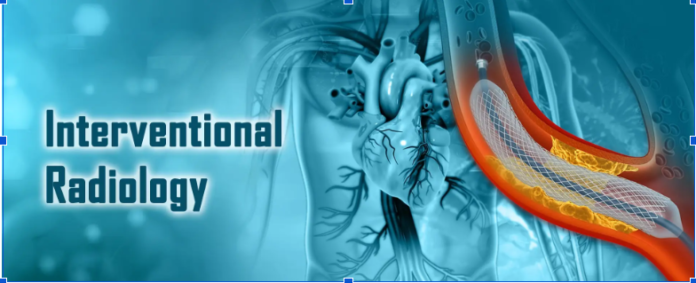
Prostate artery embolisation is an image-guided treatment performed by an interventional radiology specialist. It aims to reduce blood flow to selected areas of the enlarged prostate. With less blood supply, the prostate may gradually shrink, reducing pressure on the urethra and potentially improving urinary symptoms.
During the procedure, the specialist inserts a thin catheter into a blood vessel, often through the wrist or groin. Prostate Artery Embolization Treatment in Ahmedabad uses specialised imaging to guide the catheter towards the arteries supplying the prostate. Tiny medical particles are then released into carefully selected vessels. The particles remain in position and reduce blood flow to the targeted tissue.
The procedure is minimally invasive and does not usually require the removal of prostate tissue. However, not every patient is suitable for it. A detailed assessment is needed before treatment is recommended.
Who May Be Suitable?
Suitability depends on several factors, including the severity of symptoms, prostate size, general health and response to previous treatments. Doctors may consider the following:
- The duration and effect of urinary symptoms.
- The size and shape of the prostate.
- Whether medicines have provided enough relief.
- The presence of urinary retention or repeated infections.
- The condition of the bladder and urinary tract.
- Previous prostate procedures.
- Other medical conditions and current medicines.
Imaging is an important part of the assessment. Ultrasound or magnetic resonance imaging may help the medical team understand prostate anatomy and identify the blood vessels supplying it. Blood and urine tests may also be recommended.
In some situations, another treatment may be more appropriate. For example, patients with suspected prostate cancer, serious bladder complications or an urgent need to restore urine flow may require a different treatment plan.
Tests Before Treatment
Before treatment, the doctor may review the patient’s medical history, perform a physical examination and recommend urine and blood tests, including PSA when appropriate.
Additional assessments may include:
- Ultrasound or MRI of the prostate
- Measurement of residual urine
- Uroflowmetry to assess urine flow
- Kidney function tests
- Review of medicines, allergies and contrast reactions
Patients should inform the medical team about their medicines, supplements, allergies and existing health conditions to support safe treatment planning.
What Happens During the Procedure?
Before treatment, the specialist will explain the procedure, expected outcomes, possible risks and available alternatives. Patients may receive instructions about eating, drinking and taking regular medicines. Local anaesthesia and sedation may be used to improve comfort.
Once the patient is prepared, a small catheter is inserted into a blood vessel. Contrast dye and X-ray imaging help the specialist identify the relevant prostate arteries. During Prostate Artery Embolization Treatment in Ahmedabad, the embolisation particles are then delivered carefully to the intended vessels. Continuous monitoring helps the team observe the patient throughout treatment.
After the procedure, the catheter is removed, and pressure is applied to the entry site to reduce bleeding. The patient may remain under observation for some time. Instructions will usually cover medication, hydration, wound care and suitable activity levels.
Recovery and Expected Results
Recovery varies between patients. Common temporary effects may include:
- Mild pelvic discomfort or pressure
- Urinary urgency or increased frequency
- Tenderness or bruising at the catheter site
- Gradual improvement in urinary symptoms
- Follow-up appointments to monitor progress and urinary function
Patients should follow all discharge instructions and contact their medical team if they experience severe pain, heavy bleeding, high fever, difficulty passing urine or suddenly worsening symptoms.
Benefits and Possible Risks
For suitable patients, the procedure offers a minimally invasive alternative without a large surgical incision and may involve a shorter recovery than some conventional operations. It may also be considered when medicines provide insufficient relief or when patients wish to avoid tissue-removing surgery.
As with any procedure, risks include bleeding, bruising, infection, temporary urinary irritation and contrast reactions. Symptoms may not improve sufficiently or could return. Rarely, unintended embolisation can affect nearby tissues. A specialist should explain the benefits, risks and alternatives before treatment.
Choosing a Specialist in Ahmedabad
When considering prostate artery embolisation, patients should choose a qualified specialist with suitable training and experience in image-guided procedures. It is helpful to ask whether the hospital has modern imaging equipment, appropriate catheterisation facilities and access to urological support when needed.
Patients may also ask:
- How frequently the specialist performs this procedure.
- Which tests are required before treatment.
- What results may reasonably be expected.
- How complications would be managed.
- How follow-up care will be arranged.
- Whether other treatment options should be considered.
The best interventional radiologist in Ahmedabad for one patient may not be the right choice for another. A thorough consultation, clear communication and personalised assessment are more important than relying on general claims.
Conclusion
An enlarged prostate can interfere with urination, sleep and daily activities, but several treatment options may be available. Prostate artery embolisation may provide a minimally invasive alternative for carefully selected patients after appropriate imaging and medical assessment. Anyone experiencing persistent or worsening urinary symptoms should seek professional advice rather than delaying evaluation. Dev Hospital can help patients discuss their symptoms and understand suitable treatment pathways with an experienced medical team.